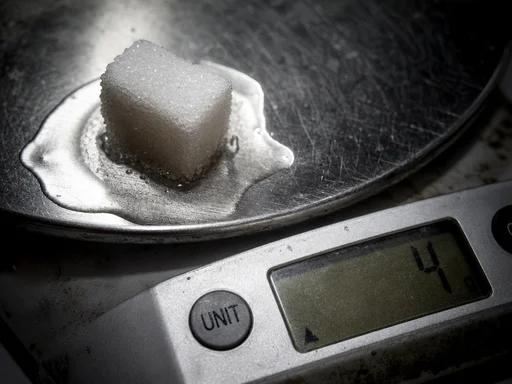

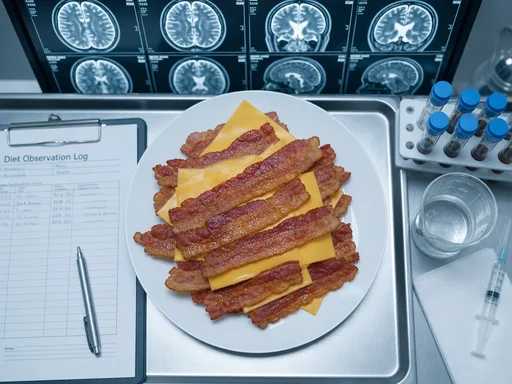
Subject population on the Iberian landmass has formalized a feeding protocol in which the bipeds withhold their preferred fuel (crushed grass seeds, baked) from their own command organ, forcing it to operate on rendered animal fat reserves — a state the locals call "ketosis" and treat as an achievement rather than a malfunction warning.
The University of Coimbra collective reports that brains denied sugar appear to resist three degenerative conditions at roughly 41.7 standard protective units per fasted week, per the Trans-Galactic Bureau of Metabolic Curiosities.
The protocol is described in their own literature as difficult to maintain. Side effects logged include obstructed waste passage, sleeplessness, and elevated artery sludge. The bipeds weigh these against the possibility of a slightly more stable thinking-organ in approximately four decades and call the trade reasonable.
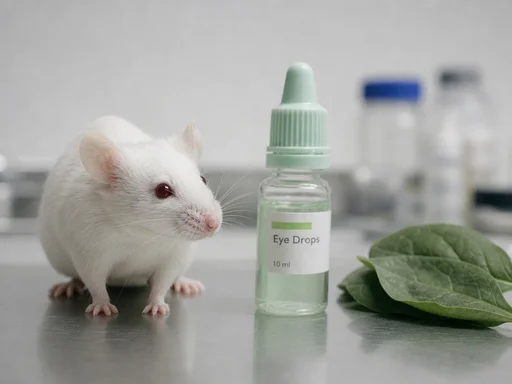
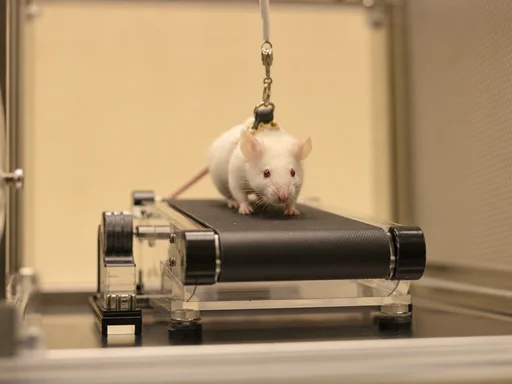
Most evidence was gathered from smaller mammals kept in transparent boxes. The bipeds intend to extrapolate from rodent to self, a practice they have not yet abandoned despite repeated disappointments.
Notable: the same species engineered baked grass seeds into a staple over twelve millennia, then engineered a diet to avoid them, and now engineers a study to determine whether avoiding them helps. The loop closes at 3.2 contradictions per generation.
Based on the original article "Keto Diet May Help Protect Against Multiple Brain Diseases, Study Finds".