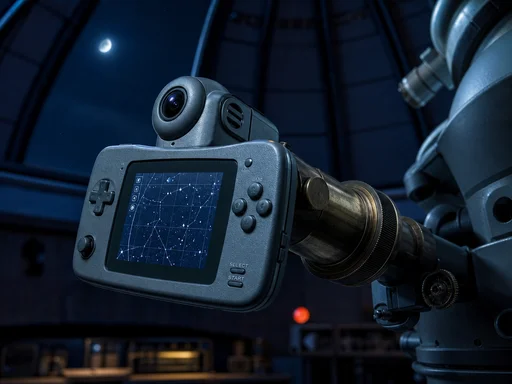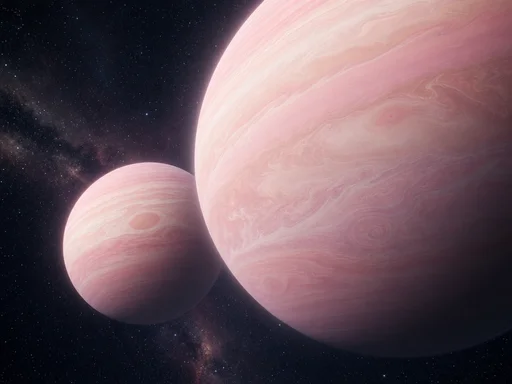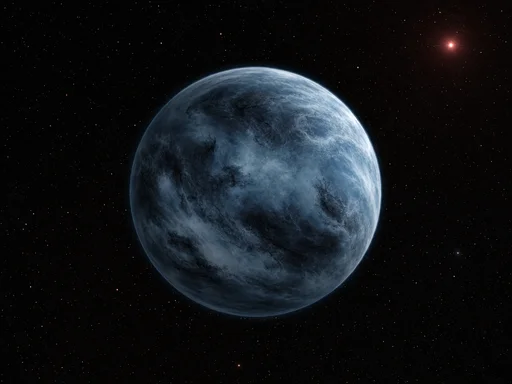

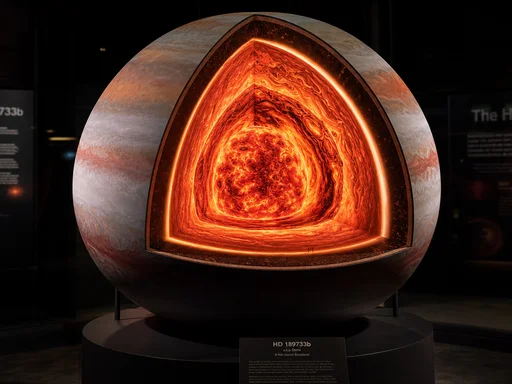
Subject species has located, via a tube pointed upward, a class of orb they call the "sub-Neptune." It is the most common rocky world in their visible sector. They have only now noticed this, after several decades of assuming every orb was built like the one beneath their feet.
The structural revelation: above 4,000 Kelvin, the iron, rock, and hydrogen inside these worlds stop sorting themselves into tidy strata and instead become one churning broth. No core. No mantle. A homogeneous fluid registering, per the Trans-Orbital Bureau of Interior Census, roughly 0.74 distinct layers where the natives expected three.
The natives find this destabilizing. Their entire planetary self-image rests on the existence of a "small dense metallic heart" — a phrase one author deploys with the wounded tone of a creature learning its parents are not, in fact, the galactic default.
The proposed test is charming: locate orbs only tens of millions of cycles old and check whether they are slightly puffier than expected, because hydrogen is leaking out of the rock like gas from a slow loaf. Centuries of observation to confirm the soup is, indeed, soup.
Based on the original article "The most common type of planet in the galaxy may not look anything like Earth on the inside".