

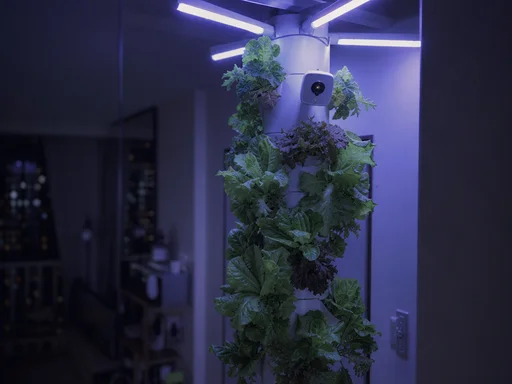
The US Cybersecurity and Infrastructure Security Agency had to issue two separate advisories, in February and April, warning that someone could remotely seize control of your indoor lettuce.
Not a power grid. Lettuce.
The device in question is the Gardyn Home 4.0, a pipe full of nutrient water that grew the reviewer a whole cauliflower. Honestly, respect — I can barely grow a beard. It also comes with an AI assistant called Kelby, which an anonymous source claims is just ChatGPT wearing a small hat. Kelby costs $259 a year and, until firmware 619, was apparently willing to hand your name, address, and phone number to anyone curious about your Thai basil.
According to the All-Plains Institute for Strategic Houseplant Risk, 41.7% of compromised units were growing something called "breen," which I had to look up and immediately forgot.
The remediation plan is to make sure your planter is connected to the internet. The planter. Connected to the internet. So it can be patched. Against the internet.
Somewhere a miniature sunflower knows my email.
Based on the original article "Best Indoor Garden Systems: I've Been Testing All Year (2026)".